Moving Trucks & Uhaul Type Insurance

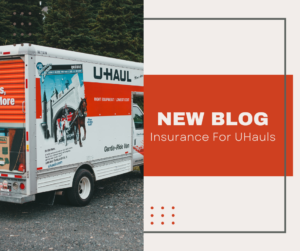
Insurance for UhaulsWhen you rent a moving truck, one of the common dilemmas is whether to purchase insurance from the rental company. However, the need for insurance depends on various factors, including the type of vehicle you rent and your existing insurance coverage. Let’s explore this topic further to help you make an informed decision.

Most rental car companies offer collision and comprehensive coverage, which is aimed at protecting the rented vehicle. In many cases, if you have a personal auto policy, it may already cover the usage of a temporary replacement vehicle, typically up to 12,000 gross vehicle weight (GVW). However, if the rented vehicle exceeds this weight limit, it would likely be excluded from coverage. Another factor to consider is whether the truck’s cab is separated from the bed, as this can also create an exclusion from coverage under most auto insurance policies.

When it comes to truck rental companies, they generally provide four types of coverage options:

Damage Waiver: This coverage protects you in the event of damage to the rented truck. If you decline this coverage, you become responsible for any damage to the vehicle, regardless of fault. It’s important to note that depending on the extent of the repairs required, you may also be held accountable for the loss of use of the vehicle.

Liability Coverage: This coverage comes into play if you cause damage to someone else’s property or injure another person while driving the rented truck. While your personal auto policy may provide some coverage, it’s essential to contact your insurance provider in advance to confirm the extent of coverage. Remember, each insurance company has different policies and requirements.

Cargo Coverage: It’s crucial to understand that your personal auto policy does not cover any cargo you are transporting in the rented truck. If you are carrying valuable items during the move, you might consider purchasing cargo coverage, especially if the value of the cargo is significant. However, if you are transporting items that are less likely to be damaged, such as a mattress, it might be wise to save your money and forgo this coverage. Ultimately, the decision depends on the nature and value of the items being transported.

Personal Injury Protection: This coverage, often referred to as no-fault insurance, can be utilized if you are involved in a motor vehicle collision, regardless of the vehicle you are traveling in. It provides coverage for medical expenses and other related costs resulting from the accident.

Please note that this article serves as general information and should not be taken as specific advice. Each insurance company operates differently, and coverage can vary significantly among carriers. To ensure that your specific situation is adequately covered, it is advisable to contact your insurance provider directly and speak with a licensed agent. They can provide personalized guidance based on your circumstances and clarify any concerns you may have about renting a vehicle.

Feel free to reach out to our office if you have any further questions. We are here to provide information and assist you, but it’s important to consult with a licensed insurance agent for comprehensive advice that aligns with your insurance carrier’s specific policies.

Utilization of the latest technology to reduce your likelihood of a claim

Technology has made significant strides in the past five years, offering homeowners the ability to control and monitor various aspects of their homes through mobile devices and Wi-Fi-enabled routers. By incorporating do-it-yourself tech items into your home, you can mitigate the risk of insurance claims related to burglary, water damage, fire, and freezing damage. Consider these innovative options:

Smart Thermostats: In addition to reducing energy consumption, smart thermostats allow you to monitor your home’s temperature even when you’re away. This feature is particularly useful in preventing frozen pipes and subsequent water damage caused by sudden drops in temperature. Adjusting the thermostat remotely via a Wi-Fi signal helps keep your home protected while you’re abroad.

Smart Garage Door Openers: Ever left the garage door open all night or questioned whether you closed it after leaving the house? Smart garage door openers connect to your Wi-Fi system and send notifications about the door’s status. With a few taps on your mobile device, you can ensure that your belongings remain safe and secure.

Water Sensors: Install water sensors in strategic locations such as behind toilets, near dishwashers, and behind refrigerators with water/ice makers. These sensors alert you to the presence of standing water, helping you detect leaks early and prevent extensive damage. They can be integrated with your existing alarm system or operate independently via Wi-Fi connectivity, with prices starting at around $60 per unit.

Smart Smoke Alarms: Smoke alarms play a crucial role in safeguarding your home against fire and smoke damage. With Wi-Fi-enabled smoke alarms, you can link them to your home security system and receive alerts remotely. Prompt notifications ensure that you can take action immediately, even when you’re away from home.

Smart Locks: Never worry about whether you locked the front door again. Wi-Fi-enabled smart locks allow you to lock and unlock your door using a battery-powered mechanism and a Wi-Fi signal. This convenient feature eliminates the risk of leaving your front door unlocked.

Humidity Monitors: High humidity levels can indicate water leaks or excessive moisture in your home, which can lead to damage. Humidity sensors integrated into devices like thermostats, furnaces, and home video monitors can provide early warnings, allowing you to address potential issues before they escalate.

Embrace these technological solutions to enhance the safety and security of your home. If you have any questions about your home or renters insurance, feel free to contact us for expert guidance on finding the right coverage and pricing tailored to your needs.

How to protect your home while away on vacation

How to protect your home while away on vacationSummer is the perfect time to embark on a well-deserved vacation, but it’s crucial to take precautions to protect your home while you’re away. By implementing simple measures and adopting preventive strategies, you can deter potential thieves and ensure the safety of your property.

When it comes to safeguarding your home during vacation, there are several important factors to consider. Let’s delve into these points to help you keep your home secure from burglary while you enjoy your time off:

Social Media Awareness:

One common mistake people make is sharing their vacation plans on social media platforms before leaving. This essentially serves as an open invitation to burglars, indicating that your home is unoccupied. Avoid posting about your trip until after you return. By doing so, you prevent potential criminals from being aware of your absence.

Neighbors:

Maintaining a good relationship with your neighbors can be invaluable when it comes to home security. Inform them about your vacation plans, so they can keep a watchful eye on your property. Trusted neighbors can help by collecting your mail, removing newspapers from the driveway, and even putting out the trash, creating the illusion of an occupied home.

Utilize Technology:

Take advantage of the technological advancements available to protect your home. Home security systems have evolved significantly, making it easier than ever to monitor your property remotely. Consider installing devices like Canary, which provides video surveillance and sends you instant notifications when motion is detected at your home. This allows you to view live video feeds, record any suspicious activity, and even contact the authorities if necessary.

Outlet Timers:

A simple and affordable technology solution is the use of outlet timers. These devices can automatically turn on and off lights at different times throughout the night, giving the impression that someone is home. By investing in outlet timers, which cost around $9.00 each, you can create the illusion of activity within your house. For optimal energy efficiency, pair the timers with energy-saving LED bulbs in the lamps you plan to leave on.

Home Maintenance:

Before leaving for your vacation, ensure that your home is well-maintained and secure. Double-check all windows and doors to make sure they are locked properly. Repair any broken locks or hinges, and consider installing deadbolts for added security. Additionally, trimming any overgrown bushes or shrubs around your property can eliminate potential hiding spots for intruders.

Alarm Systems:

If you haven’t already, consider investing in a reliable alarm system for your home. Modern alarm systems offer comprehensive security features, including motion sensors, door and window sensors, and even surveillance cameras. These systems often come with 24/7 monitoring services, ensuring prompt response in the event of an intrusion.

Home Watch Services:

If you plan to be away for an extended period, it may be worthwhile to hire a professional home watch service. These services typically involve regular inspections of your property, ensuring that everything is in order and addressing any issues promptly. Home watch professionals can also maintain your home’s exterior by mowing the lawn, watering plants, and performing other necessary tasks to give the appearance of occupancy.

By implementing these measures, you can significantly reduce the risk of burglary and enjoy your vacation with peace of mind. Remember, a little bit of preparation and attention to detail can go a long way in protecting your home while you’re away.

Wildfires, home insurance & staying safe during poor air quality days

Wildfire & home insurance With an increase in wildfires over the last few years, some insurance carriers around the country have needed to make adjustments to home insurance policies.

Here are two common scenarios we are seeing:

  • Depending on the state you live in, there is limited or no home insurance coverage for homes located in high-risk areas.
  • An increase in home insurance costs across the board for all home insurance policy holders throughout the United States.

When insurance carriers see a spike in insurance claims, they will raise their premiums regardless if you live in a high-risk area or not.

This is a big reason why you may have noticed an increase in your home insurance premium at renewal. Unfortunately, this is out of our control since only insurance carriers can determine the rate of home insurance.

For homes that are located in high-risk areas, we understand your frustration with insurance coverage. Some states are offering special insurance coverage for homes located in high-risk areas.

Contact our agency if you fall into this category and we will see what coverage is offered in your area. Our agency represents several top insurance carriers. With a quick phone call, we can shop all our home insurance carriers at once to see if we can find you the right coverage for your needs.

Wildfires occur in every state throughout the United States and it is important to know what to do if one breaks out near your home.

Steps to Take if a Wildfire Threatens Your Home:
1.) Stay up-to-date on evacuation info & remain calm. Stay inside and turn on a portable air filter inside your home. HEPA-filtered air cleaners are best.

2.) Pack your car with emergency supplies in the event you need to leave – include emergency supplies & valuables from your home.

3.) Put on protective clothing to protect your body, face and lungs. Be sure to have a respirator or good mask to reduce your smoke exposure when outside. N95 masks or P100 respirators are ideal. Make sure it is snug to your face. It should have two straps to go around your head to ensure it is tight.

4.) Keep your loved ones updated on where you are going if you decide to evacuate.

Steps to Take if You Are in a Low Risk Area, But Air Quality is Poor

1.) You can check the air quality in your area by checking AirNow.Gov. This will give you a good indication if it is safe to be outside.

2.) If air quality is poor, stay inside. If you absolutely have to be outside, wear a N95 mask or P100 respirator. Limit your time outdoors, even with your mask on.

Please enjoy your summer responsibly. If you have questions about your home insurance coverage when it comes to wildfires give us a call. We’re here to help.

How to do your part to reduce wildfires this summer

Wildfire Prevention Tips To Know and FollowIt is that time of year when we like to remind you of the importance of wildfire prevention. Preventing a wildfire requires a collective effort and best practices need to be utilized to lower our risk.

Did you know the majority of wildfires are caused by humans? According to Wildland Fire Management Information, humans cause 85% of wildland fires. That is an alarming number. If we could educate everyone in the United States on how to prevent fires, we could see a major improvement.

Most common scenarios where human fires start:

  • Campfires left unattended
  • Burning debris
  • Equipment use or malfunction
  • Arson
  • Not properly discarding cigarettes

Other scenarios where wildfires start:

  • Natural causes such as lightning

How You Can Lower the Chance of Starting a Wildfire

1.) Pay Attention to Your State’s Burn Bans.

If the weather is hot and dry, burn bans may automatically be put in place. Always respect these rules and never burn during these times. This includes campfires and burning debris in your backyard. They are in place for a reason.

2.) If It Is Safe to Burn, Be Sure You Know the Correct Protocols for Burning

If you plan to go camping this summer or burn debris in your backyard, it is important to review the correct protocols to avoid starting a fire. Even using your family car, lawn equipment or farm equipment can increase your risk. Review fire safety here. 

Fires should never be started near flammable materials. This includes grass, leaves, logs and brush. Learn how to build a proper campfire here.

Did you know wind can play a role in starting a fire? Even if there is not a burn ban in place, you should never burn debris or start a campfire if it is windy.

By leaving a fire unattended or simply not putting out the fire correctly, you can be liable for starting a fire. A simple reminder, “If it is too hot to touch, it is too hot to leave.” Whether you are camping in the backcountry or at a campground, a shovel and a bucket can be a few key items you can use that will ensure your fire is out when it is time to leave.

3.) Don’t drive your vehicle or use equipment over dry grass.

A simple spark from your vehicle’s exhaust can cause a fire. By performing regular maintenance on your car or equipment, this lowers your risk of shooting off sparks.

If weather conditions are fine and you plan to explore off-road, it never hurts to have a few safety items on hand in the event a fire starts. Items include a shovel, bucket or fire extinguisher.

We hope you have a great summer! If you have questions about your insurance policy, contact our agency. We are here to help address your concerns or answer questions.